
There is a difference between using AI to make something and using it to make something better.
The best production work has always depended on quality, credibility, and the discipline behind intelligent use. In visual effects, the technology should serve the story rather than become the story.
AI should follow the same principle. If people say, “That looks AI-generated,” the work has probably drawn attention to the tool instead of the idea.
A useful model for AI-assisted design
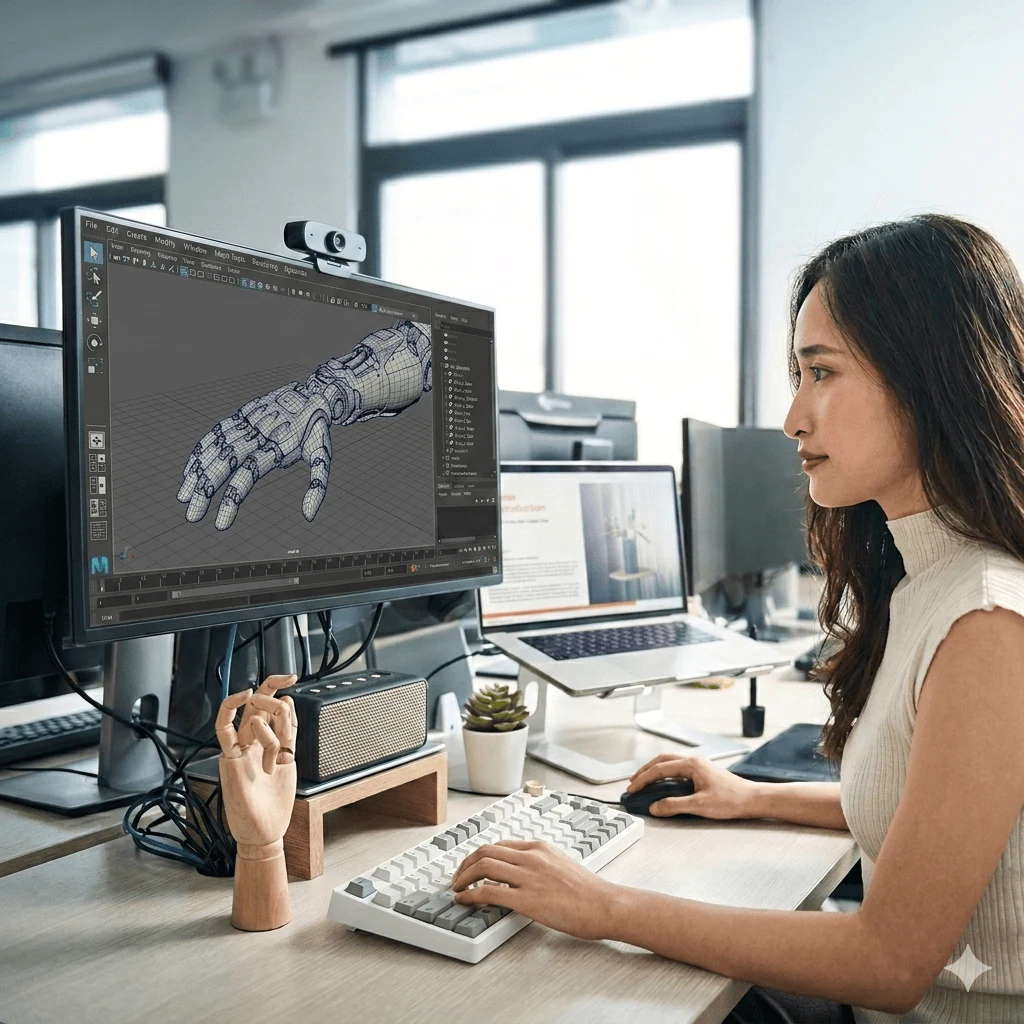
Borrowing from computer-aided design, AI-aided design can be a useful model for production. AI should support the creative process, accelerate the right tasks, and help teams explore possibilities without replacing judgement.
When brand visuals feel generic, inconsistent, or uncanny, audiences notice. Even subconsciously, it affects credibility.
The risks are real:
- Styles and shapes shifting from shot to shot.
- Unclear training sources and usage rights.
- Visuals that distract from the story rather than support it.
- Subtle distortions or AI-specific artefacts that erode trust.
AI will absolutely shape the future of production. But amid the hype, the fundamental truth endures: the idea, the story, and the connection matter far more than the tool used to make them.
If you’re exploring how to use AI confidently in production without sacrificing quality, we’d be happy to help.