

WHAT WE DO
OUR WORK
ABOUT US
GET IN TOUCH →
Strategy
How Packaging Helps Consumers Navigate Change (And Why That Matters More Than Innovation)

4 mins


Change at Different Speeds
Although almost everything seems to change on a daily basis, there are still elements that do not move at the same pace.
Recently, I was involved in a client project where we helped develop a series of prototype designs for a new product that the client wanted to test with focus groups. A central part of the process was conducting a semiotic analysis of the category and establishing an overview of its semiotic landscape as a foundation for the subsequent design work. The client had a hypothesis about why there was room for the product in the category, and the combination of target group insight and category semiotics provided a strong starting point for the design task.
What struck me afterwards was the contrast between the world we wake up to every morning and the pace at which semiotic structures evolve.
Geopolitics, technology (including AI) and media are changing at tremendous speed. But when working with insights at a semiotic level, it quickly becomes clear that change here happens much more slowly.
This made me think of Jeff Bezos’ well-known point that we should spend more effort understanding what does not change than trying to predict what does.
Packaging and Intuitive Decision-Making
When it comes to packaging and consumer product choices, the sheer number of options means that many decisions are made unconsciously through what we refer to as System 1 thinking. Packaging is therefore not read; it is decoded.
Colours, shapes, materials, surfaces, typography and proportions create meaning before the consumer has time to think. This is not a rational moment, it is a perceptual one.
When working with packaging design, we are therefore not primarily working with arguments, but with semiotics: signs and signals that translate complexity into immediate meaning.
The Consumer’s Need for Orientation
One observation I often return to in strategic work is this:
The consumer does not necessarily seek the new, they seek orientation and guidance.
In a world defined by speed and uncertainty, packaging functions as a point of navigation. An anchor.
Something that quickly answers the questions: What is this? Can I trust it? Does it fit into my world?
When packaging design changes too much or too quickly, cognitive load increases. This can create uncertainty – even when the intention is renewal.
Time Horizons and Discipline
One of the greatest challenges I see today relates to time horizons. The world around us moves fast, but packaging design does not necessarily need to follow the same pace.
The strongest packaging solutions are often those that: - are built on a deep understanding of category codes - respect the consumer’s intuitive decision logic - adjust with precision rather than panic
It takes discipline to remain still while everything else is in motion. But this is often where the real impact lies.
The Stable Semiotic Core
Despite a rapidly changing world, certain aspects of semiotics remain relatively stable. Human symbolic interpretation mechanisms change slowly, and cultural values and associations are often deeply rooted.
This makes semiotics a powerful tool for understanding how people already intuitively and emotionally decode signals in packaging design, brand narratives and visual identities.
As such, semiotics becomes a strategic tool for understanding: - which signs are culturally robust - which signals create rapid meaning - where the line lies between relevant renewal and loss of recognisability
In a world where technology evolves faster than human cognition, it is crucial to work with the layers that actually drive behaviour. Packaging is one of the most concrete places where this insight can be translated into impact.
Therefore, packaging design is not where one should experiment the most – but where one should understand the human being the best.
Semiotics as a Bridge Between Stability and Change
Semiotics remains a strong analytical tool because it addresses stable human mechanisms in a world characterised by constant change. By combining semiotic insights with modern understandings of decision-making, brands and designers can navigate more confidently in a landscape where technology, culture and media evolve rapidly.
For strategists, there is great value in seeking insight into what is stable – something that is easily overlooked in a world that is always in motion.
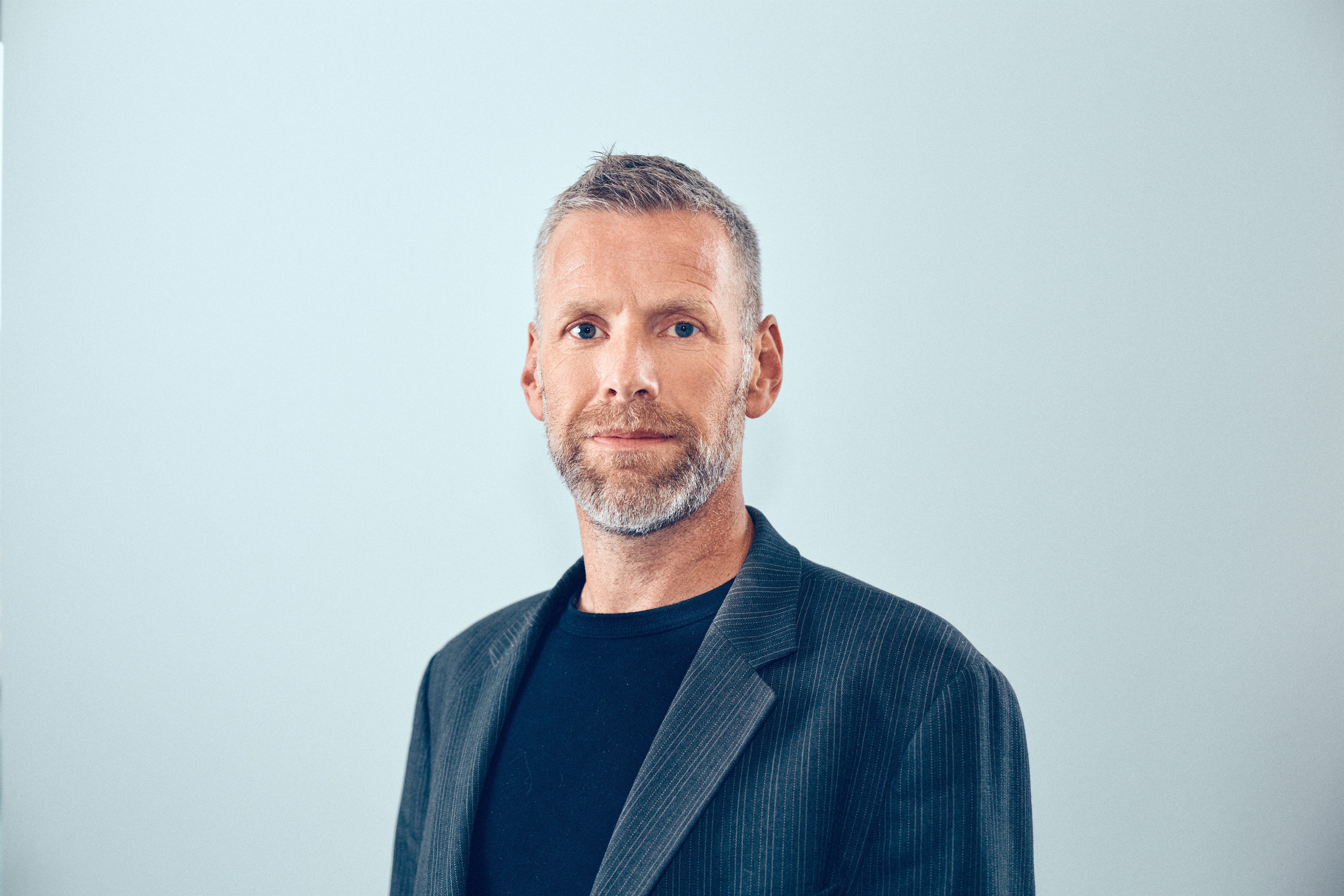
Henrik Larsen
Chief of Strategy & Insights
Henrik Larsen works at the intersection of strategy, insights and communication. With senior leadership experience, including CEO and executive roles, he specialises in linking business strategy with brand development, creative execution and insight-driven decision-making.






WHAT WE DO
OUR WORK
ABOUT US
ABOUT US
GET IN TOUCH →
Strategy
How Packaging Helps Consumers Navigate Change (And Why That Matters More Than Innovation)
4 mins
Change at Different Speeds
Although almost everything seems to change on a daily basis, there are still elements that do not move at the same pace.
Recently, I was involved in a client project where we helped develop a series of prototype designs for a new product that the client wanted to test with focus groups. A central part of the process was conducting a semiotic analysis of the category and establishing an overview of its semiotic landscape as a foundation for the subsequent design work. The client had a hypothesis about why there was room for the product in the category, and the combination of target group insight and category semiotics provided a strong starting point for the design task.
What struck me afterwards was the contrast between the world we wake up to every morning and the pace at which semiotic structures evolve.
Geopolitics, technology (including AI) and media are changing at tremendous speed. But when working with insights at a semiotic level, it quickly becomes clear that change here happens much more slowly.
This made me think of Jeff Bezos’ well-known point that we should spend more effort understanding what does not change than trying to predict what does.
Packaging and Intuitive Decision-Making
When it comes to packaging and consumer product choices, the sheer number of options means that many decisions are made unconsciously through what we refer to as System 1 thinking. Packaging is therefore not read; it is decoded.
Colours, shapes, materials, surfaces, typography and proportions create meaning before the consumer has time to think. This is not a rational moment, it is a perceptual one.
When working with packaging design, we are therefore not primarily working with arguments, but with semiotics: signs and signals that translate complexity into immediate meaning.
The Consumer’s Need for Orientation
One observation I often return to in strategic work is this:
The consumer does not necessarily seek the new, they seek orientation and guidance.
In a world defined by speed and uncertainty, packaging functions as a point of navigation. An anchor.
Something that quickly answers the questions: What is this? Can I trust it? Does it fit into my world?
When packaging design changes too much or too quickly, cognitive load increases. This can create uncertainty – even when the intention is renewal.
Time Horizons and Discipline
One of the greatest challenges I see today relates to time horizons. The world around us moves fast, but packaging design does not necessarily need to follow the same pace.
The strongest packaging solutions are often those that: - are built on a deep understanding of category codes - respect the consumer’s intuitive decision logic - adjust with precision rather than panic
It takes discipline to remain still while everything else is in motion. But this is often where the real impact lies.
The Stable Semiotic Core
Despite a rapidly changing world, certain aspects of semiotics remain relatively stable. Human symbolic interpretation mechanisms change slowly, and cultural values and associations are often deeply rooted.
This makes semiotics a powerful tool for understanding how people already intuitively and emotionally decode signals in packaging design, brand narratives and visual identities.
As such, semiotics becomes a strategic tool for understanding: - which signs are culturally robust - which signals create rapid meaning - where the line lies between relevant renewal and loss of recognisability
In a world where technology evolves faster than human cognition, it is crucial to work with the layers that actually drive behaviour. Packaging is one of the most concrete places where this insight can be translated into impact.
Therefore, packaging design is not where one should experiment the most – but where one should understand the human being the best.
Semiotics as a Bridge Between Stability and Change
Semiotics remains a strong analytical tool because it addresses stable human mechanisms in a world characterised by constant change. By combining semiotic insights with modern understandings of decision-making, brands and designers can navigate more confidently in a landscape where technology, culture and media evolve rapidly.
For strategists, there is great value in seeking insight into what is stable – something that is easily overlooked in a world that is always in motion.
Henrik Larsen
Chief of Strategy & Insights
Henrik Larsen works at the intersection of strategy, insights and communication. With senior leadership experience, including CEO and executive roles, he specialises in linking business strategy with brand development, creative execution and insight-driven decision-making.


WHAT WE DO
OUR WORK
ABOUT US
ABOUT US
GET IN TOUCH →
Strategy
How Packaging Helps Consumers Navigate Change (And Why That Matters More Than Innovation)
4 mins
Change at Different Speeds
Although almost everything seems to change on a daily basis, there are still elements that do not move at the same pace.
Recently, I was involved in a client project where we helped develop a series of prototype designs for a new product that the client wanted to test with focus groups. A central part of the process was conducting a semiotic analysis of the category and establishing an overview of its semiotic landscape as a foundation for the subsequent design work. The client had a hypothesis about why there was room for the product in the category, and the combination of target group insight and category semiotics provided a strong starting point for the design task.
What struck me afterwards was the contrast between the world we wake up to every morning and the pace at which semiotic structures evolve.
Geopolitics, technology (including AI) and media are changing at tremendous speed. But when working with insights at a semiotic level, it quickly becomes clear that change here happens much more slowly.
This made me think of Jeff Bezos’ well-known point that we should spend more effort understanding what does not change than trying to predict what does.
Packaging and Intuitive Decision-Making
When it comes to packaging and consumer product choices, the sheer number of options means that many decisions are made unconsciously through what we refer to as System 1 thinking. Packaging is therefore not read; it is decoded.
Colours, shapes, materials, surfaces, typography and proportions create meaning before the consumer has time to think. This is not a rational moment, it is a perceptual one.
When working with packaging design, we are therefore not primarily working with arguments, but with semiotics: signs and signals that translate complexity into immediate meaning.
The Consumer’s Need for Orientation
One observation I often return to in strategic work is this:
The consumer does not necessarily seek the new, they seek orientation and guidance.
In a world defined by speed and uncertainty, packaging functions as a point of navigation. An anchor.
Something that quickly answers the questions: What is this? Can I trust it? Does it fit into my world?
When packaging design changes too much or too quickly, cognitive load increases. This can create uncertainty – even when the intention is renewal.
Time Horizons and Discipline
One of the greatest challenges I see today relates to time horizons. The world around us moves fast, but packaging design does not necessarily need to follow the same pace.
The strongest packaging solutions are often those that: - are built on a deep understanding of category codes - respect the consumer’s intuitive decision logic - adjust with precision rather than panic
It takes discipline to remain still while everything else is in motion. But this is often where the real impact lies.
The Stable Semiotic Core
Despite a rapidly changing world, certain aspects of semiotics remain relatively stable. Human symbolic interpretation mechanisms change slowly, and cultural values and associations are often deeply rooted.
This makes semiotics a powerful tool for understanding how people already intuitively and emotionally decode signals in packaging design, brand narratives and visual identities.
As such, semiotics becomes a strategic tool for understanding: - which signs are culturally robust - which signals create rapid meaning - where the line lies between relevant renewal and loss of recognisability
In a world where technology evolves faster than human cognition, it is crucial to work with the layers that actually drive behaviour. Packaging is one of the most concrete places where this insight can be translated into impact.
Therefore, packaging design is not where one should experiment the most – but where one should understand the human being the best.
Semiotics as a Bridge Between Stability and Change
Semiotics remains a strong analytical tool because it addresses stable human mechanisms in a world characterised by constant change. By combining semiotic insights with modern understandings of decision-making, brands and designers can navigate more confidently in a landscape where technology, culture and media evolve rapidly.
For strategists, there is great value in seeking insight into what is stable – something that is easily overlooked in a world that is always in motion.
Henrik Larsen
Chief of Strategy & Insights
Henrik Larsen works at the intersection of strategy, insights and communication. With senior leadership experience, including CEO and executive roles, he specialises in linking business strategy with brand development, creative execution and insight-driven decision-making.


General enquiries
hello@spring-cc.com
Copyright 2025 Spring CC. All Rights Reserved.